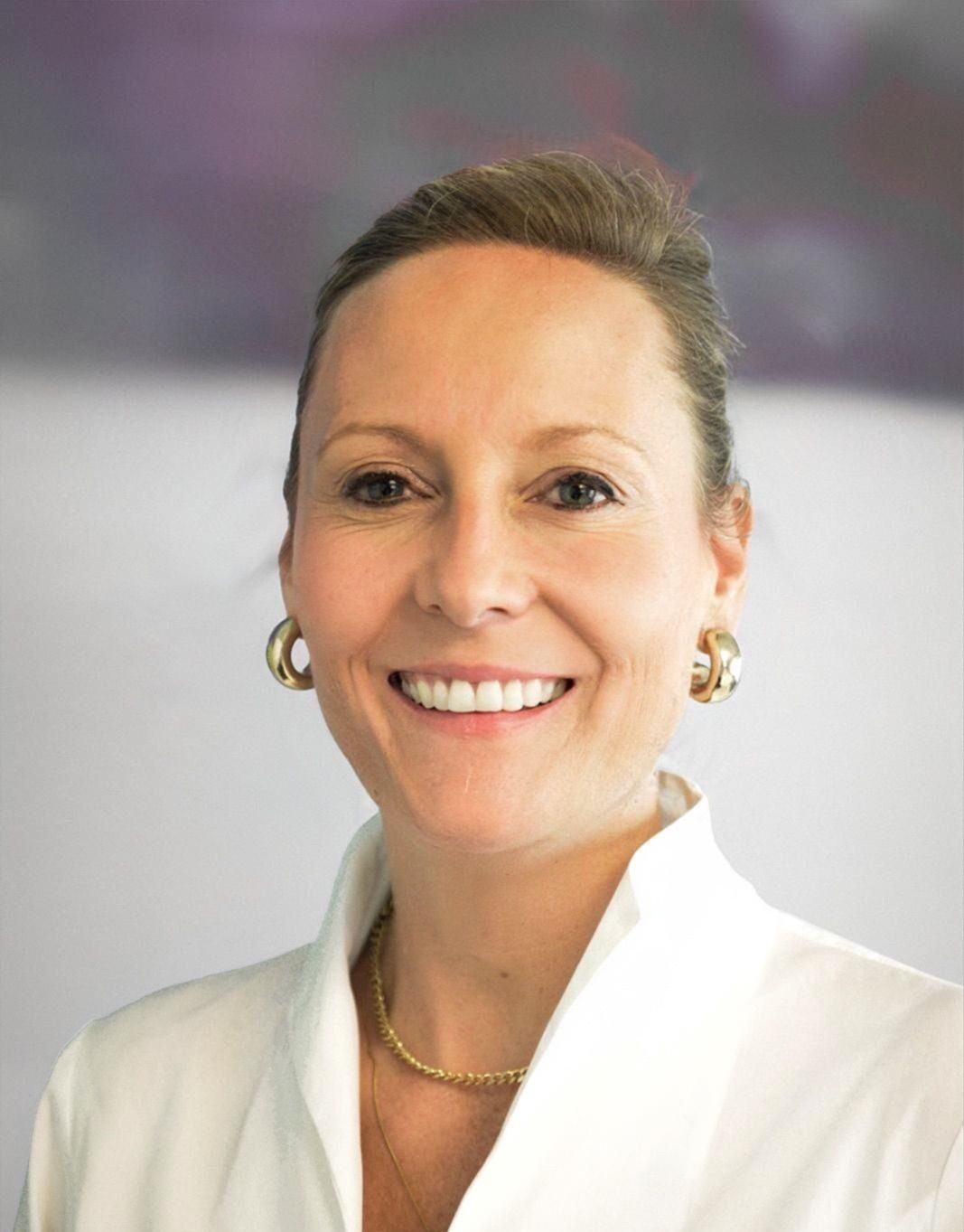
Role of our Group General Counsel
Dear Kathrin, what has your professional journey been like up to this point?
After studying law, earning a doctorate, and completing my legal clerkship in Göttingen, we moved to Nuremberg for professional reasons—already with two children at the time. There, I began my legal career at Rödl in the Corporate and M&A practice.
After several years, I transitioned into an in-house role and took on responsibility as “Head of Capital Markets,” overseeing capital markets law advisory and governance for a corporate group. Throughout this time, I maintained close ties with Rödl, including personal collaboration with Christian Rödl in his role as Chair of the Audit Committee on the Supervisory Board.
When we later discussed filling the position of General Counsel at Rödl, I was open to the idea. After all, I hadn’t left the firm because of any dissatisfaction with colleagues or the corporate culture—quite the opposite. Rather, I deliberately wanted to gain experience as an in-house counsel without losing contact with Rödl.
In January 2024, I returned as “Group General Counsel.” In this role, I am responsible for the global legal department and, together with my team, support the firm worldwide. My work is broad and varied, covering areas such as data protection, IT law, insurance law, real estate law, liability law, professional regulations, corporate governance, compliance, sustainability, and risk management. In addition, I am deeply involved in corporate law and corporate affairs, particularly in advising our executive management and the firm’s shareholders.
What skills do you consider most important in your role as a leader of a large team?
Clear and open communication is essential in my role as General Counsel and internal advisor. Only through close interaction with my team and the organisation can I truly understand which issues are currently top of mind for the firm and executive management.
Although my professional focus is on corporate law, it is crucial to regularly dive into new topics—for example, ensuring the legally compliant use of AI applications in a professionally regulated environment. This requires the ability to quickly grasp complex matters and develop viable solutions.
Equally important is setting priorities and deciding which issues require my immediate attention and where I need to allocate resources strategically. Staying closely connected with the team helps me identify support needs early and prevent overload.
Since numerous inquiries and projects run in parallel every day, it is vital to remain calm. My role as a mother helps here, where patience and resilience are second nature. I strive not to pass organisational pressure on to my team. The foundation for effective work lies in clear responsibilities, transparent task allocation, regular communication, and a respectful, trust-based approach.
My Superpowers:
- My team
- Appreciative leadership style and clear role distribution
- Solid legal expertise and quick comprehension
- Clear prioritization and decision-making ability
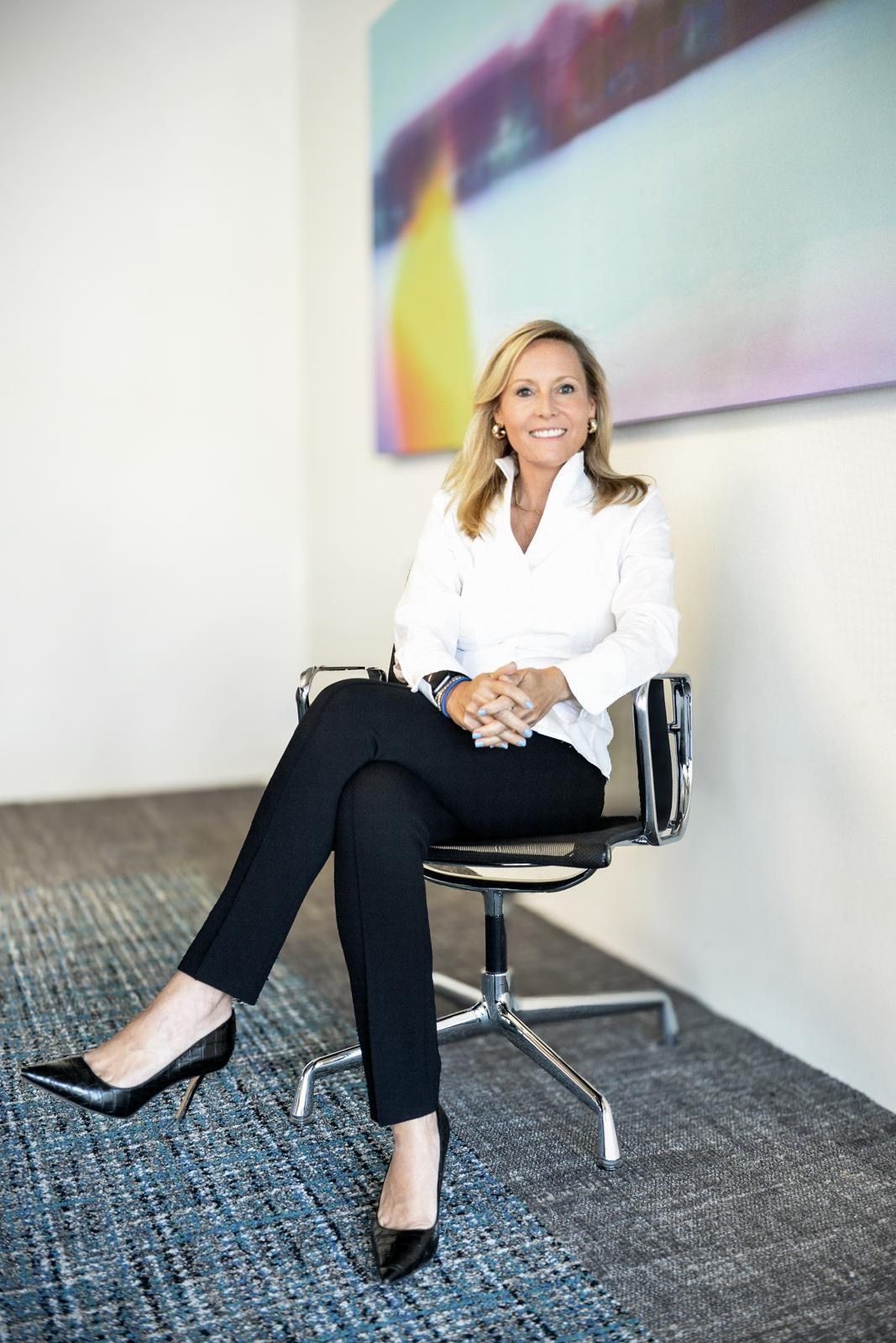
We operate in a highly regulated professional environment where legal risks can have not only economic but also professional consequences. This very combination makes the role both intellectually challenging and particularly rewarding.
Partnerin, Group General Counsel
What makes being General Counsel at Rödl different from other companies?
The role of General Counsel at Rödl differs significantly from comparable positions in traditional corporate structures. Rödl is owner-managed and at the same time characterized by minority shareholders. This unique shareholder structure requires balanced governance and legal advice that aligns long-term entrepreneurial thinking with diverse interests. In an owner-managed firm, decisions can be made faster, more directly, and more pragmatically. This reduces friction, minimizes frustration, and—despite the size of the firm—creates a strong sense of identification with one’s work. Changes become visible more quickly and can be actively shaped, which gives daily work a tangible sense of purpose and validation.
Another particularly demanding aspect is that I advise colleagues whose own profession is to advise others and to think critically. This requires a high level of expertise, clear positions, and steadfastness. At the same time, we operate in a highly regulated professional environment where legal risks can have not only economic but also professional consequences. This very combination makes the role both intellectually challenging and particularly rewarding.
What were the key success factors that made balancing career and family work well for you?
Flexibility is crucial—both your own and that of your employer. Rödl gives me trust and freedom to organize my work with a high degree of flexibility, especially in terms of time. Sometimes I work longer in the evenings. In the past, I used those hours for studying or writing my dissertation; today, I use them for my professional responsibilities. In return, I can consciously make time for my family during the week or during the day. This kind of flexibility requires openness and a strong sense of personal responsibility in a role like mine.
Another key factor is organisation. This applies regardless of whether family support is available. Delegating or outsourcing tasks is absolutely necessary in our situation of both partners working full-time. At first, this was unfamiliar to me, but it allows us as a family to consciously enjoy time together.
It was also important for me to realize that a career is an active decision. It requires commitment and may mean temporarily putting aside your own needs as well as those of your partner or children. Decisions affect different areas of life. For me, a career means, for example, not being at the daycare early every day, not always baking myself, or not being involved in the parents’ association. That is a conscious trade-off—and one I am comfortable with.
At the same time, children’s needs change. When I had the opportunity to present my profession to our oldest son’s eighth-grade class, I could feel his pride. Moreover, our professional situation enables our children to have educational stays abroad and travel experiences that would not have been possible with other choices.
Everything has its price—the key is to choose it consciously.
Every woman and every family should be able to choose their own life model. The consequences of that choice must then be accepted by all family members. For me, it has always been important that women do not define their identity exclusively through traditional roles. Financial independence is also essential, especially considering part-time work and the resulting risk of poverty in old age. What is often overlooked in this discussion is that professional fulfillment – beyond financial security – especially in demanding leadership positions, also brings self-efficacy and satisfaction. A sense of fulfillment I would never want to give up.
What advice would you give to young women starting their careers who may see themselves in a similar role in the future?
Find a mentor who is already where you want to be and make use of her experience. Build a network of colleagues who share similar goals. This exchange provides relief and strength – mentally as well.
Equally important is having a partner who supports your professional development. Free yourself from societal expectations and outdated role models.
Leadership positions require ambition, perseverance, and commitment. A certain amount of luck also plays a role. Despite all professional demands, you should never lose sight of yourself and treat yourself with kindness.
We ourselves are the most valuable asset we have.
Thanks for the interview!